Diabetic Foot Ulcers
Wound Care · Life Eugene Marais Hospital, Pretoria
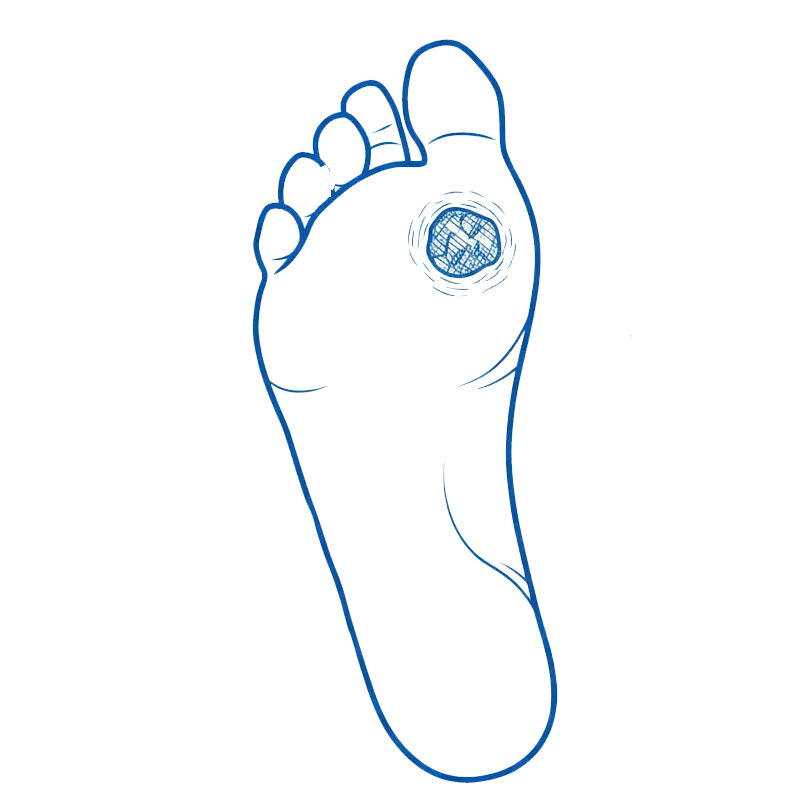
Diabetic foot ulcers are wounds of the feet, soles and lower legs in patients with diabetes. They arise from reduced sensation (neuropathy), reduced arterial supply (ischaemia), or a combination of the two (neuro-ischaemia).
Because sensation is reduced, injuries are often noticed late; and because the blood supply may be impaired, the wound heals slowly and the risk of infection is high. Early, expert wound care is the key to preventing complications — including amputation.
Diagnosis at our practice
A complete medical history and clinical examination is followed by a hand-held Doppler examination to determine whether the arterial supply to the limb is adequate. Where indicated, arterial and/or venous duplex-Doppler studies are performed to confirm the diagnosis. We also have specialised equipment for transcutaneous oxygen measurement (TcPO2), which establishes exactly how much oxygen is available at the wound for healing.
Treatment
- Basic wound care — every member of our staff is trained in basic wound care, and our team of nursing practitioners even does home visits.
- Advanced wound care — including negative-pressure wound therapy (VAC), supported by our team of wound care specialists.
- Arterial revascularisation — where the arterial supply is impaired and the wound does not respond as expected, Dr Weir will discuss the surgical and endovascular options with you.
- Hyperbaric oxygen therapy — internationally accepted for selected complex wounds; we have two hyperbaric units and can motivate the treatment to your medical scheme in selected cases.
When should you seek help? If your wound does not improve within 7 days of appropriate basic wound care, you need a wound care specialist. If the wound has not improved as expected after 6 weeks of specialist care, you need a consultation with a vascular surgeon.
Educational videos
 2023 Diabetic Foot Guidelines
 Diabetic Foot Ulcers and Their Recurrence
 NPWT or HBOT for Diabetic Foot Ulcers
Frequently Asked Questions
Why is my diabetic foot wound not healing?
Diabetic foot wounds often heal slowly due to a combination of reduced sensation (neuropathy) and reduced blood supply (ischaemia). A Doppler examination and oxygen measurement help us establish exactly what is delaying healing.
Can a diabetic foot ulcer lead to amputation?
Yes — untreated diabetic foot ulcers are a major cause of amputation. Early expert wound care, and revascularisation where needed, help to prevent amputations.
Do you treat patients without medical aid?
We can only treat patients with active medical aid cover. Private patients without a medical aid will unfortunately have to be referred elsewhere.
Do you have a chronic wound that will not heal?
Tel: 012 335 8651 · WhatsApp: 061 520 4140 · Email: [email protected]
Please note that we can only treat patients with active medical aid cover.