Wound Care for Chronic, Non-Healing Wounds — Pretoria
The fundamental principle of modern wound care is to create an ideal environment in which the wound has the best possible chance to heal
TYPES OF WOUNDS OUR PRACTICE TREATS:

Diabetic Foot Ulcers
Wounds of the feet, soles and lower legs in patients with diabetes. These wounds may arise from reduced sensation (neuropathy), reduced arterial supply (ischaemia), or a combination of the two (neuro-ischaemia). Read more →
Venous Stasis Ulcers
Venous stasis ulcers are responsible for the great majority of lower-leg ulcers. They often arise from poor return of venous blood from the lower legs back to the heart. Patients frequently have a history of varicose veins and/or previous deep-vein thrombosis. Read more →
Mixed Lower-Leg Ulcers
Patients with both arterial and venous insufficiency may also develop stubborn lower-leg ulcers, which are challenging wounds to treat. If conservative wound care does not deliver the needed results, it may be necessary to improve the arterial supply. Read more →
Arterial Ulcers & Gangrene
Patients with arterial ulcers have an inadequate supply of oxygen-rich blood to the limb. Where possible, these patients are initially treated conservatively. If conservative wound care does not deliver the needed results, it may be necessary to improve the arterial supply. Read more →
DIAGNOSTIC MODALITIES AVAILABLE TO US
AT THE PRACTICE
Clinical Examination & Hand-Held Doppler
A complete medical history and clinical examination, followed by a Doppler examination to determine whether the arterial supply to the limb is adequate.
Ultrasound & Duplex Doppler
Where indicated, arterial and/or venous duplex-Doppler studies can be performed to confirm the clinical diagnosis.
Transcutaneous
Oxygen Measurement
We have specialised equipment to determine exactly how much oxygen is available at specific areas of the body. This can be used to establish whether enough oxygen is present for the wound to heal.
TREATMENT MODALITIES AVAILABLE TO US AT THE PRACTICE
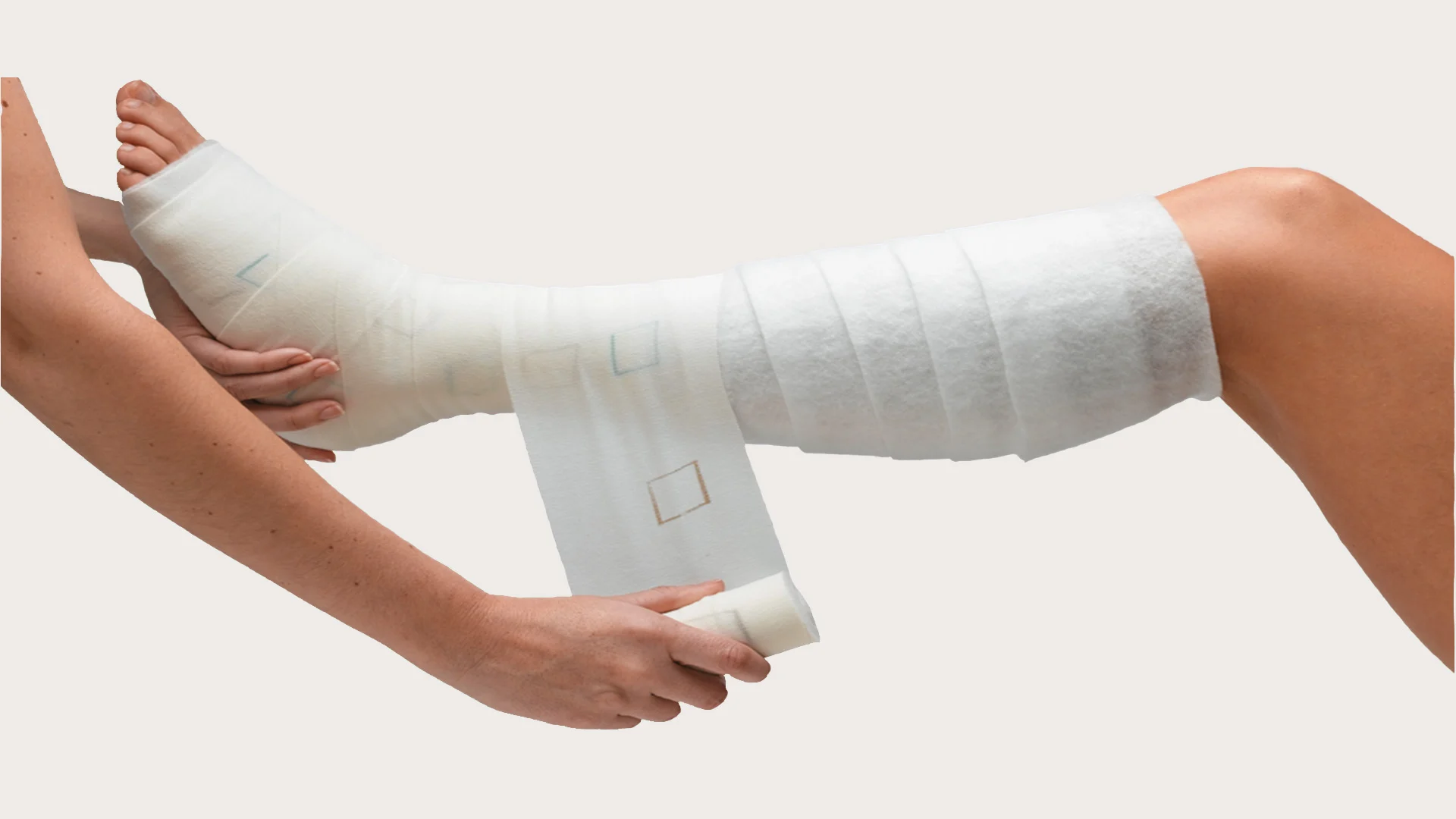
Basic
Wound Care
Every member of staff at the practice is trained in basic wound care. Because we treat a high volume of patients, we are able to offer basic wound care at an expert level. We also have a team of nurses working in association with the practice. Some of them even make home visits.
Advanced Wound Care
Several advanced wound-care modalities are available, including negative-pressure therapy (VAC). When advanced wound care is required, we often involve our team of wound-care specialists. These are nurses with additional qualifications to perform advanced wound care.
Arterial Revascularisation
Patients with arterial insufficiency who do not respond satisfactorily to basic or advanced wound care may be considered for arterial procedures. Dr Weir is a Vascular Surgeon and will discuss the options with the patient and decide, together with the patient, on the best intervention for that specific patient.
Hyperbaric Oxygen Therapy
Hyperbaric Oxygen Therapy is internationally accepted as an appropriate treatment modality for patients with complex wounds who do not respond satisfactorily to advanced wound care. We have two hyperbaric chambers at the practice and, in selected cases, can motivate the treatment to your medical scheme.
Gallery
Here are a few examples of wounds we have previously treated
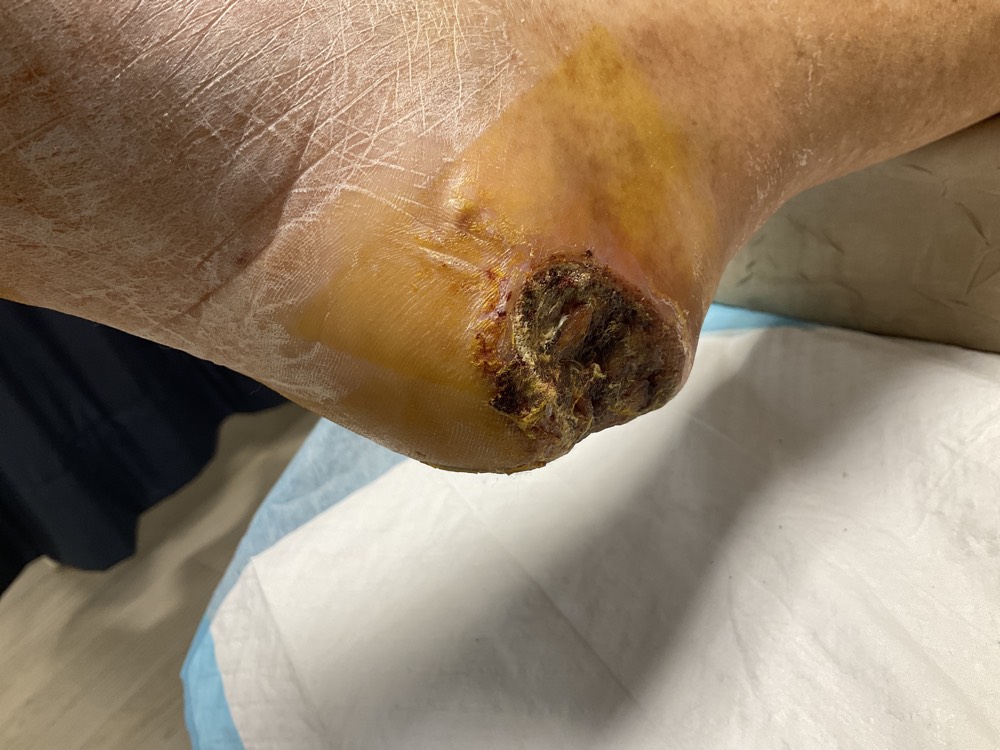
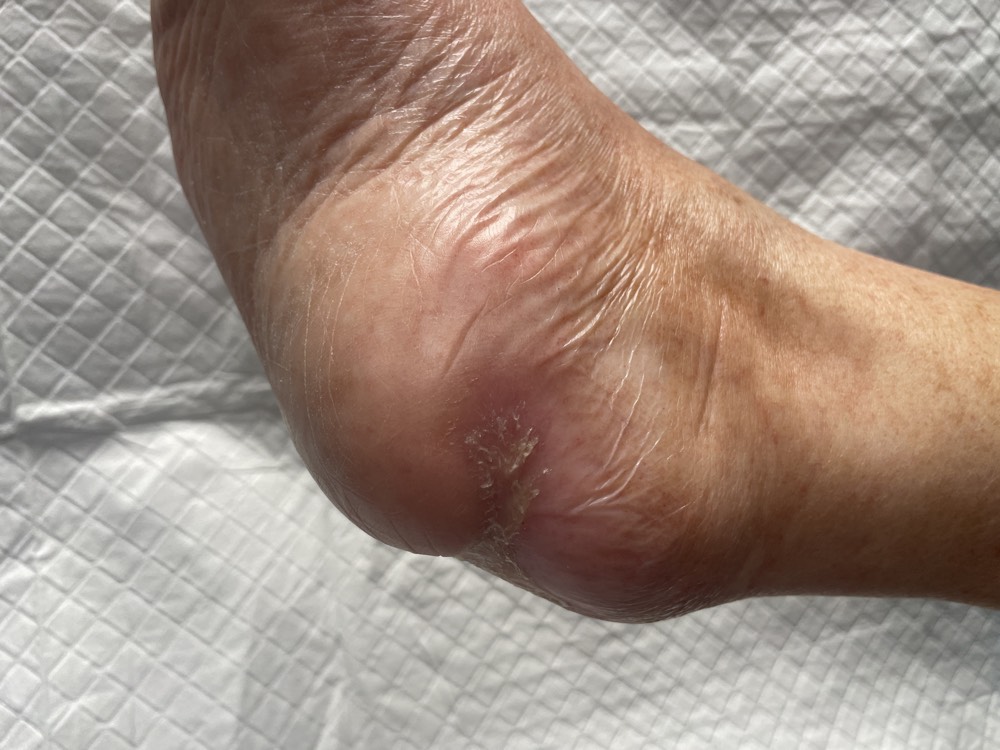
You are most welcome to contact us to arrange an appointment.
Please note that we are only able to treat patients with a medical scheme. If you are a “private” patient without a medical scheme, we will unfortunately have to refer you elsewhere.
Vascular & Hyperbaric Unit · Life Eugene Marais Hospital
696 5th Avenue, Les Marais, Pretoria, Gauteng, South Africa
Tel: +27 12 335 8651 · Cell: +27 61 520 4140
Email: [email protected]
WhatsApp: +27 61 520 4140
Vascular & Hyperbaric Unit
Life Eugene Marais Hospital
Dr Weir qualified as a medical doctor in 1993. He subsequently specialised as a General Surgeon. He completed a fellowship and the examinations required to qualify and register as a Vascular Surgeon in 2002. In 2003 he completed a fellowship in Trauma Surgery and Endovascular Surgery in Sydney, Australia. Dr Weir has been in practice at the Eugene Marais Hospital since 2004. In 2007 he completed a course in Hyperbaric Medicine, after which he took over the Hyperbaric Unit from Dr Frans Cronjé. In 2010 he completed an International Interdisciplinary Wound Care Course.
Dr Weir specialised in Vascular Surgery, and is qualified in Hyperbaric Medicine and specialised Wound Care.
Our team
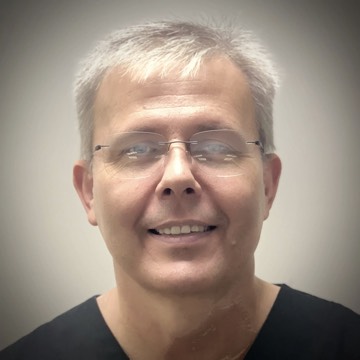
Dr Gregory Weir
Vascular Surgeon
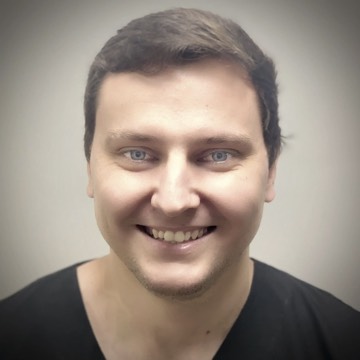
Branden de Jongh
Practice Manager &
Hyperbaric Technologist
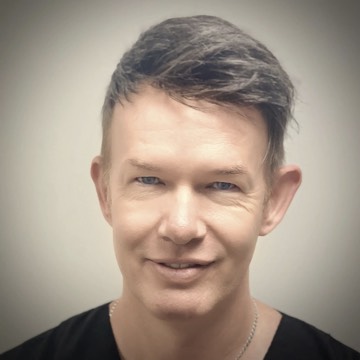
Stefan Dippenaar
Financial Manager &
Hyperbaric Technologist
Independent wound-care practitioners
These wound-care practitioners work independently.
Renate Wannenburg
Wound Care Specialist
Amanda Verwey
Wound Care Specialist
Simone Ros
Wound Care Specialist
Albert Hibbert
Wound Care Specialist
Valana Skinner
Wound Care Specialist
Alida Botha
Lymphoedema Specialist
What can you do if you do not have access
to a Wound-Care Specialist?
If you have followed the basic wound-care protocol above and your wound has not improved within 7 days, you need a Wound-Care Specialist!, for advanced wound care.
If your wound has not improved satisfactorily after 6 weeks under the care of a Wound-Care Specialist, you need a consultation with a Vascular Surgeon, or another appropriate surgical or orthopaedic specialist. Contact us if you are unsure.
All patients with gangrene must be referred immediately to a Vascular Surgeon!
Frequently Asked Questions
What types of wounds does the practice treat?
We treat chronic, non-healing wounds, including diabetic foot ulcers, venous stasis ulcers, mixed lower-leg ulcers, and arterial ulcers and gangrene.
Where is the practice located?
We are based at the Vascular & Hyperbaric Unit, Life Eugene Marais Hospital, 696 5th Avenue, Les Marais, Pretoria, serving Pretoria North, Montana and the Moot.
Do you treat private patients without a medical scheme?
We are able to treat patients with active medical-scheme cover only. Private patients without a medical scheme will unfortunately need to be referred elsewhere.
How soon should a chronic wound start to improve?
With appropriate basic wound care you should see improvement within about 7 days. If there is no improvement, you need a wound-care specialist. If a wound has not improved satisfactorily after 6 weeks under specialist care, you need a consultation with a vascular surgeon or another appropriate surgical or orthopaedic specialist.
What is hyperbaric oxygen therapy used for?
Hyperbaric oxygen therapy is internationally accepted for complex wounds that do not respond adequately to advanced wound care. The practice has two hyperbaric chambers and can, in selected cases, motivate the treatment to your medical scheme.
When is gangrene an emergency?
Gangrene — black, dead tissue, usually of the toes, caused by inadequate blood supply — is always urgent. All patients with gangrene must be referred to a vascular surgeon immediately.